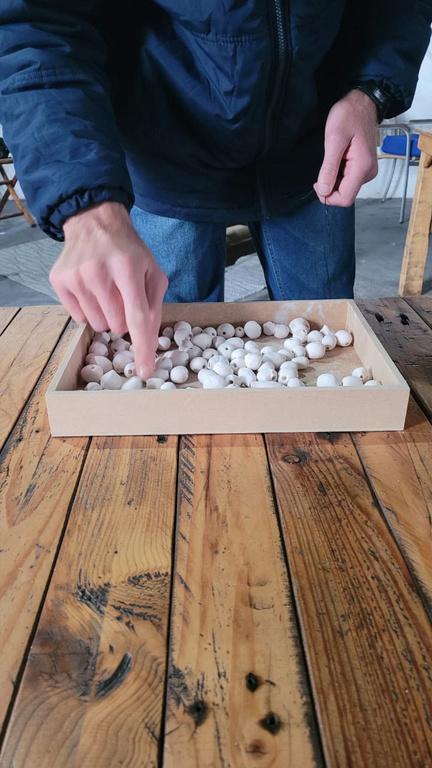
COMMUNITY CONNECTION THROUGH THERAPEUTIC ART
Residents recently gathered for a meaningful and creative therapeutic art class inspired by the beauty and heritage of Paternoster. The session focused on mindfulness, creativity, and personal expression while celebrating the town’s unique coastal identity.
Participants created handcrafted rosary paternoster beads, symbolizing the famous 55 boulders found along the shoreline of Paternoster. The activity encouraged reflection, patience, and connection, with each bead representing both the natural beauty and cultural significance of the area.
The creative experience continued with a fun and relaxing mug-painting session, where attendees expressed their individuality through colourful designs and personal artwork. The painted mugs served as special keepsakes from a day filled with creativity, healing, and community spirit.
The therapeutic art class provided a welcoming space for participants to unwind, connect with others, and enjoy the calming benefits of art therapy. Events like these continue to highlight the importance of wellness, creativity, and community engagement in bringing people together.
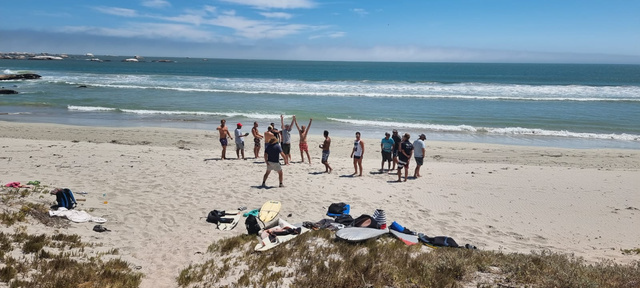
BEACH CLEAN UP
Residents and volunteers from the Paternoster community recently joined forces for a successful beach clean-up initiative aimed at protecting the town’s beautiful coastline and marine environment. The clean-up saw community members of all ages working together to remove litter and waste washed up along the shoreline. By the end of the day, volunteers had collected an impressive total of 23 black bags filled with rubbish.
CBT GROUP
Cognitive Behavioral Therapy, usually called CBT, is one of the most widely used approaches for managing anxiety, depression, stress, and unhelpful thinking patterns. At the heart of CBT is a simple but powerful idea: our thoughts, feelings, and behaviours are closely connected.
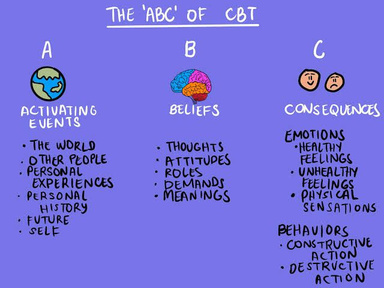
One of the easiest ways to understand CBT is through the “ABC model.”
A – Activating Event
This is the situation or trigger that starts the emotional reaction. It could be something external, like receiving criticism at work, or something internal, such as a worrying thought.
B – Beliefs
Beliefs are the thoughts or interpretations we attach to the event. Two people can experience the same situation but think about it very differently. For example, one person may think, “I made a mistake, but I can improve,” while another may believe, “I always fail.”
C – Consequences
The consequences are the emotional and behavioural results of those beliefs. Helpful beliefs may lead to confidence and problem-solving, while negative beliefs can lead to anxiety, avoidance, or low mood. CBT teaches people to slow down and examine the link between these three steps. By identifying and challenging unhelpful beliefs, it becomes possible to change emotional responses and develop healthier behaviours.
The ABC model reminds us that while we cannot always control events around us, we can learn to respond to them in more balanced and constructive ways.
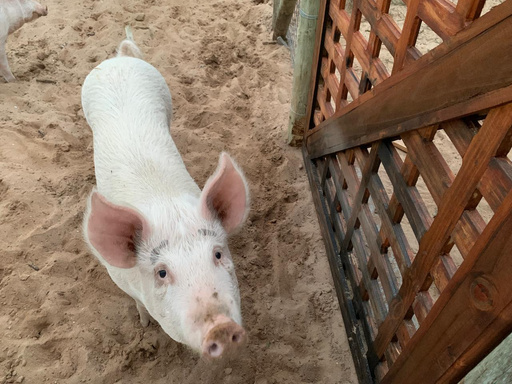
NEW PIG GATE
Residents learned new skills in woodwork and then used them to make a new gate for our pig pen. Learning new skills and using them to create something meaningfull is a very gratifying and therapeutic process, this provides a great opportunity for DBT(Dialectical behavioural therapy). Perofming fulfilling tasks like this is a powerful way for residents to learn new and healthy means if getting fulfillment. And the pigs also love their new gate.