FAMILY ROLES – UNDERSTANDING THE PART WE PLAY
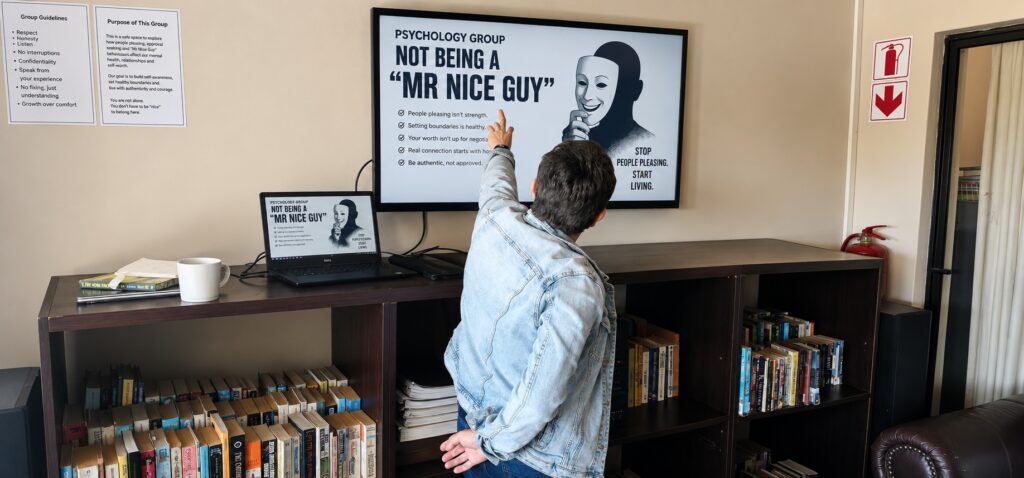
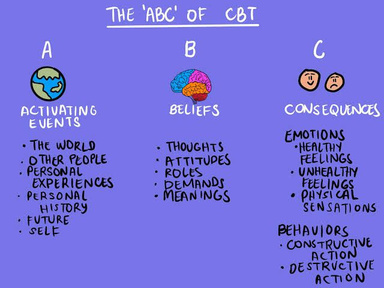
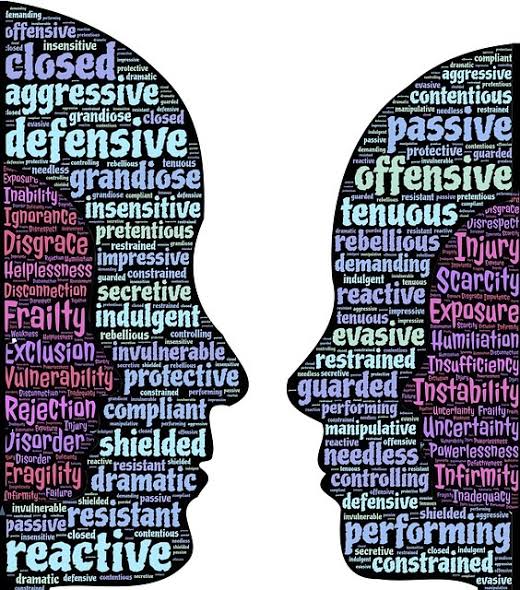
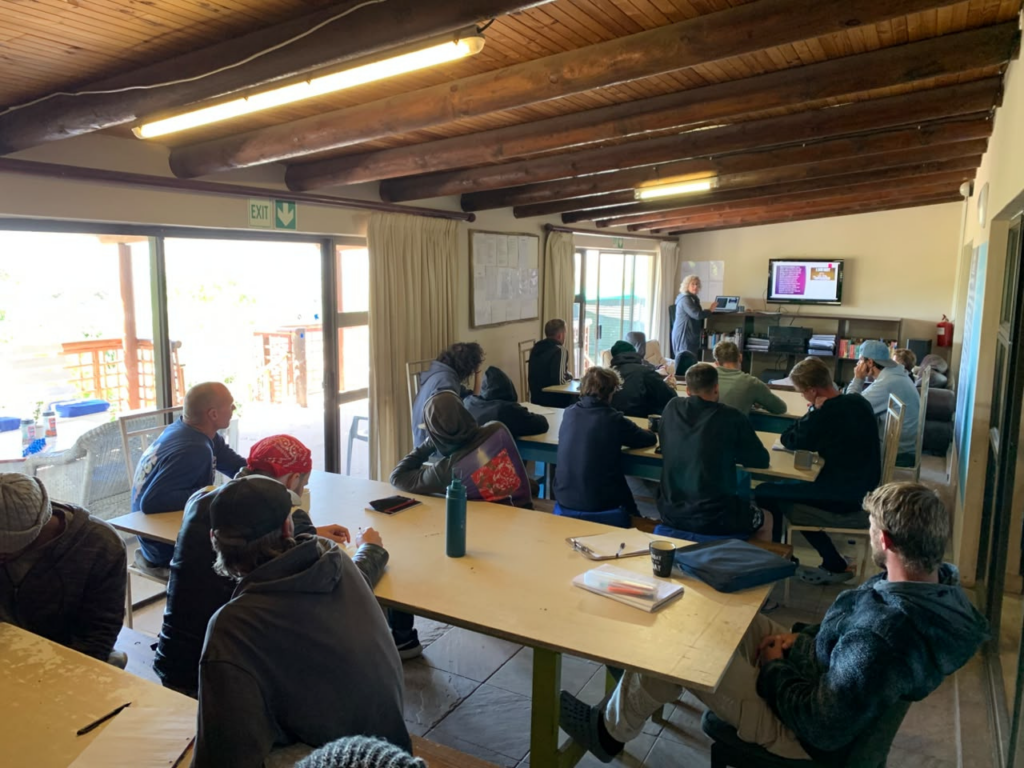
The session explored familiar roles such as the Hero, Mascot, Scapegoat, Lost Child and Addict, and how each role can develop as a way of coping with addiction within a family.
These roles aren’t labels or diagnoses. They are ways of understanding patterns that may have helped someone survive or function within their family environment.
For residents in recovery, recognising these patterns can be an important step toward change. It allows us to ask: “Is this who I really am, or is this a role I learned to play?”
Recovery isn’t simply about stopping a substance or behaviour. It is also about discovering healthier ways to communicate, establish boundaries, handle conflict and relate to the people we love.
By understanding where some of our behaviours originated, we can begin taking responsibility for what we do with them today.
The goal isn’t to blame our families. It’s to understand ourselves—and to become better equipped to build healthier relationships in the future.
COMMUNITY PROJECT – PELGRIMSRUST
Recovery is not only about what happens inside the walls of a rehabilitation centre. It is also about learning how to become a responsible, contributing member of the community.
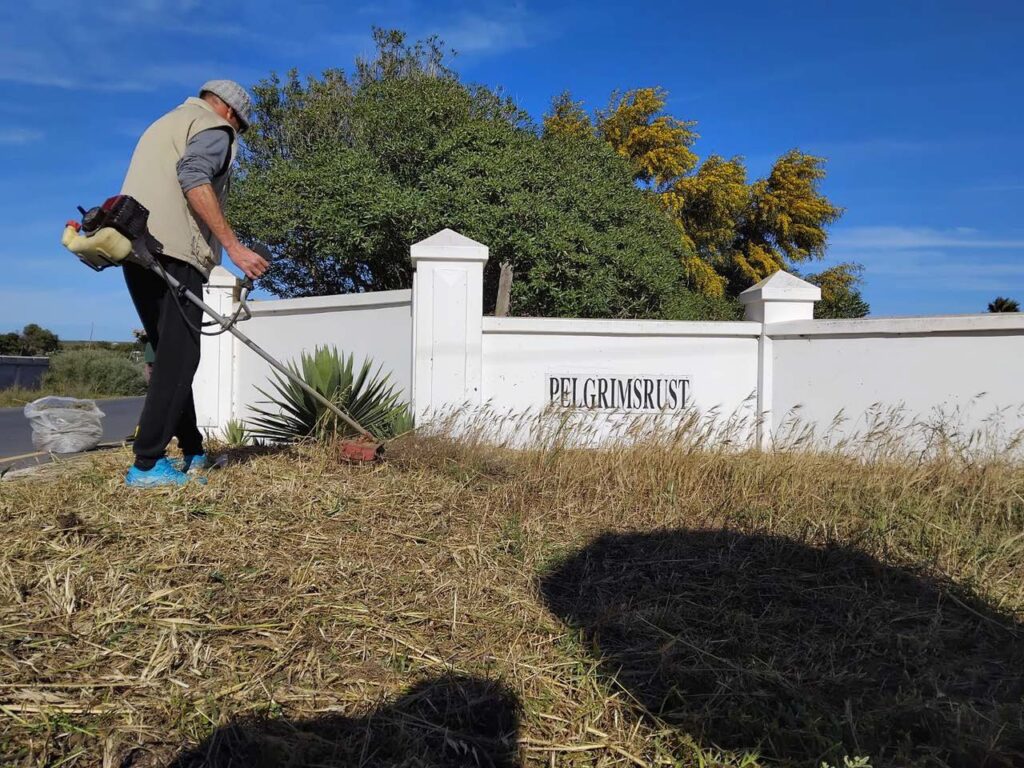
As part of our community-based project, our residents recently spent time brush cutting and clearing the cul-de-sac in Pelgrimsrust.
Community-based activities are an important part of preparing residents for life beyond rehabilitation. They provide opportunities to practise qualities such as responsibility, teamwork, discipline, perseverance and service in real-world situations.
There is also something valuable about physical work. Rather than simply talking about responsibility, residents get to experience it. The work needs to be done, everyone has a part to play, and the finished result is something the whole community can benefit from.
For many people in recovery, addiction has involved becoming increasingly focused on self and immediate needs. Healthy recovery creates the opportunity to move in the opposite direction—to become someone who contributes, serves and considers the people
around them.
A cleared cul-de-sac may seem like a small achievement, but it represents something much bigger: learning to leave the places we enter a little better than we found them.
AROUND THE FIRE
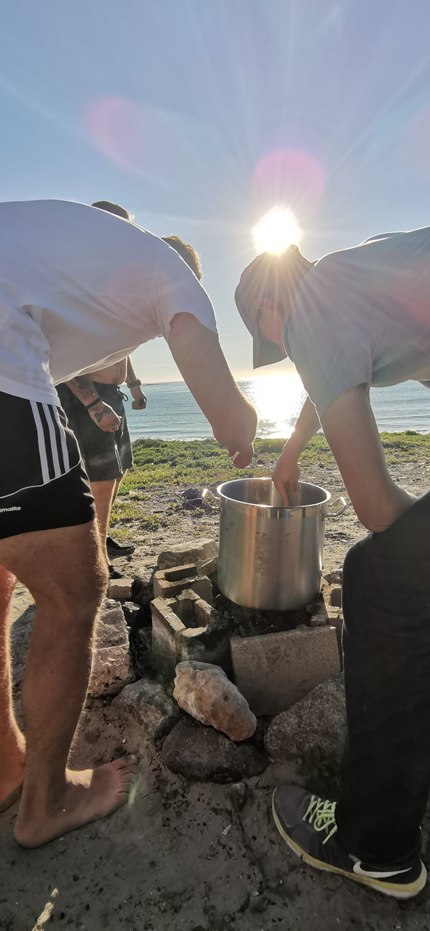
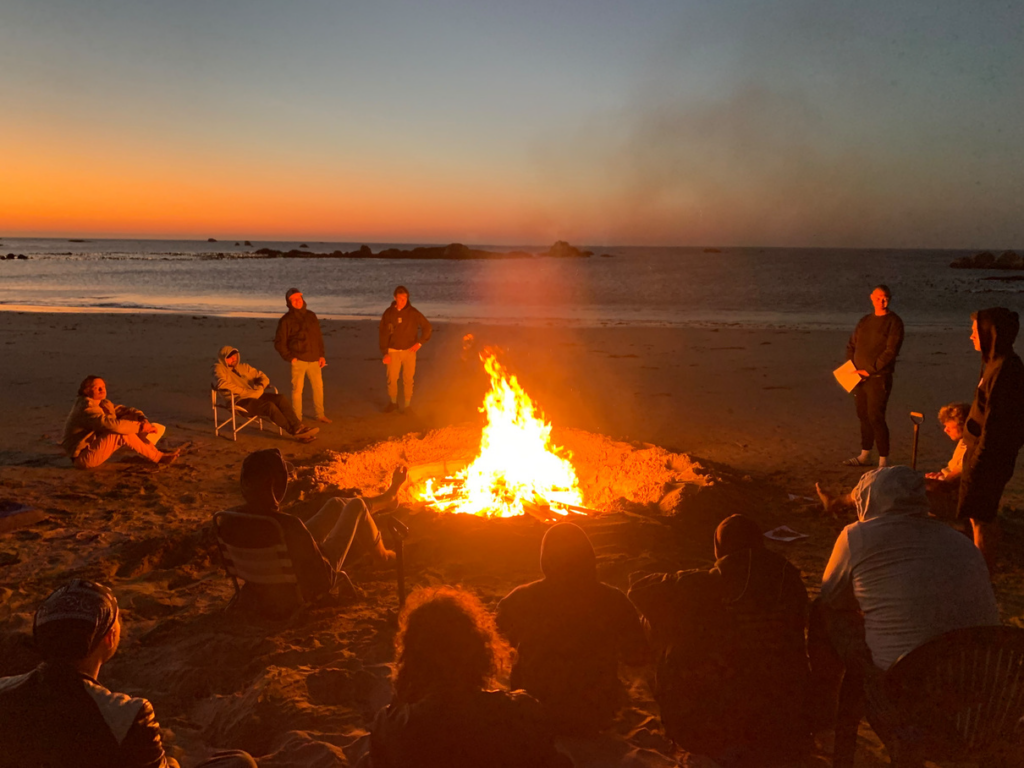
Recently, our residents came together for an evening bonfire centred around Christian worship, fellowship and unity. Away from the structure of the normal daily programme, the evening created an opportunity to slow down, connect and focus on something greater than ourselves.
Addiction can be deeply isolating. It can damage relationships, create mistrust and leave people feeling disconnected from their families, communities and even themselves. Recovery therefore involves learning how to belong again.
Sometimes healing happens in a counselling room. Sometimes it happens through hard
conversations and difficult work.
And sometimes, it happens around a fire, surrounded by people walking the same road.
BUILDING STRENGTH – GYM & FENCE
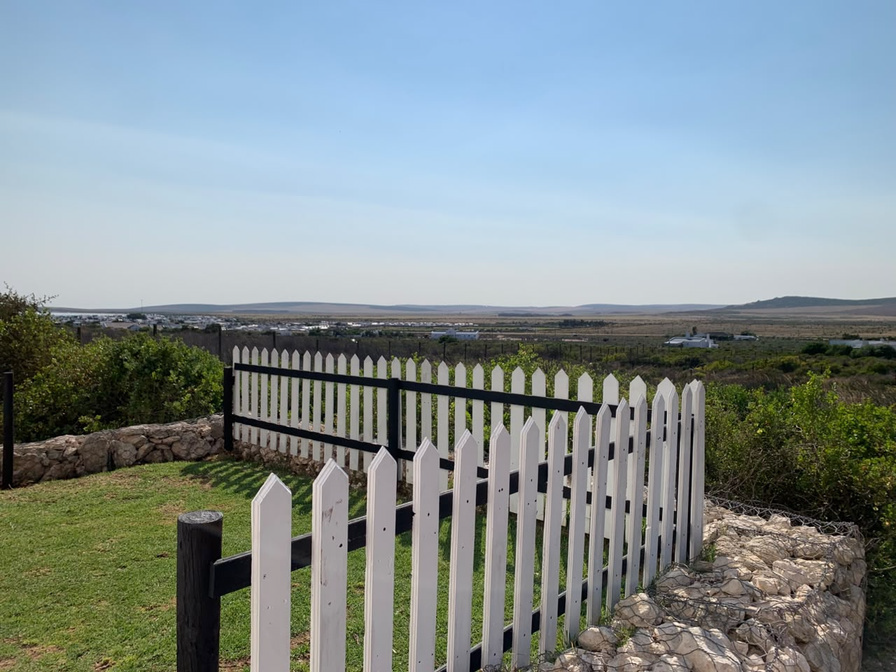
Recently, our residents got stuck into a few practical projects around the farm. They built a white picket fence around one of our buildings and revamped the pull-up bar and fitness area, creating spaces that will benefit both current and future residents.
Projects like these are about more than improving the property. They give residents the opportunity to work together, take responsibility and see the results of their own effort.
Fitness also plays an important role in recovery. Regular exercise can provide a healthy outlet for stress while building discipline, routine, perseverance and confidence. The gym is a practical reminder that strength doesn’t develop overnight—it comes from consistently showing up and putting in the work.
The same principle applies to recovery.
Every workout, every task completed and every day of making healthier choices is
another opportunity to build something stronger.
We’re not only building fences and fitness areas—we’re helping our residents build
stronger lives.
MONTH SUMMARY
September has been a month of growth, connection and practical recovery at Pelgrim’s Place.
Our residents have been learning and growing together through group sessions, community projects, fellowship and physical activity.
With Social Worker Alta, we explored the different roles we can take on within our families and how understanding these patterns can help us build healthier relationships.
Our community-based work took us into Pelgrimsrust, where residents helped clear and brush-cut the cul-de-sac – putting responsibility, teamwork and service into practice.
We also gathered around the bonfire for an evening of Christian worship and fellowship, creating space to reconnect with God, with one another and with the importance of community in recovery.
Around the farm, residents have been putting their hands to work too – building a white picket fence around one of our buildings and revamping the pull-up and fitness area. These projects remind us that recovery is built through small, consistent actions: showing up, working together, taking responsibility and becoming stronger in body, mind and spirit.
Another month of learning, serving, building and growing together.