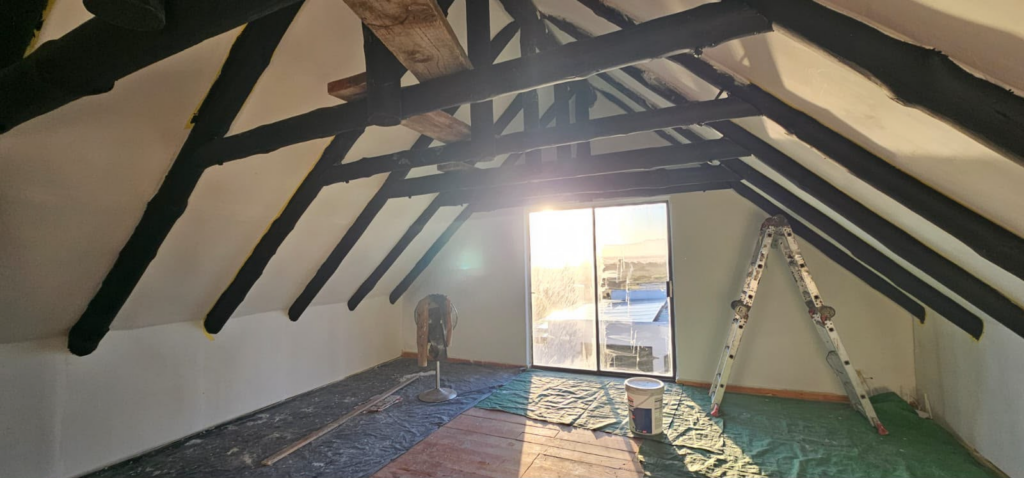
BUILDING MORE THAN ACCOMMODATION
Renovation is about more than repairing walls, painting beams, or improving accommodation. At Pelgrims Place, renovating the staff quarters has become an opportunity to learn skills while creating something that will benefit others.
Learning trade skills such as painting, carpentry, preparation, measuring, and maintenance can build confidence and achievement. These skills can become tools for future employment and independence.
There is a deeper lesson in serving others. By investing our time and effort into improving a space that others will use, we learn responsibility, humility, purpose, and the importance of contributing to something greater than ourselves.
Renovation requires teamwork, communication, listening, problem-solving, and patience. Working toward a common goal strengthens relationships and develops interpersonal skills.
Recovery is not only about overcoming the past; it is about building a better future. Through practical work, service, teamwork, and learning, we discover that growth can happen through what we build together.

Serving the Paternoster Community
Recovery is not only about changing ourselves; it is also about learning how we can contribute positively to the world around us. Recently, residents of Pelgrims Place had the opportunity to restore an abandoned building along one of the town’s main roads.
The walls had become covered in graffiti and had lost their welcoming appearance. By working together to repaint and restore the area, we were able to make a small but meaningful contribution to the community we are part of.
Projects like this provide valuable opportunities for growth in recovery. Hard work can be challenging, requiring patience, perseverance, discipline, and a willingness to keep going even when a task becomes tiring or difficult. Working together as a team teaches communication, cooperation, responsibility, and respect.
Most importantly, community service allows us to experience the satisfaction of doing something that benefits others. Seeing the results of our efforts can build self-worth, purpose, and confidence. Through service, hard work, and teamwork, recovery becomes something we actively practise—not just something we talk about.
CROSS ADDICTION
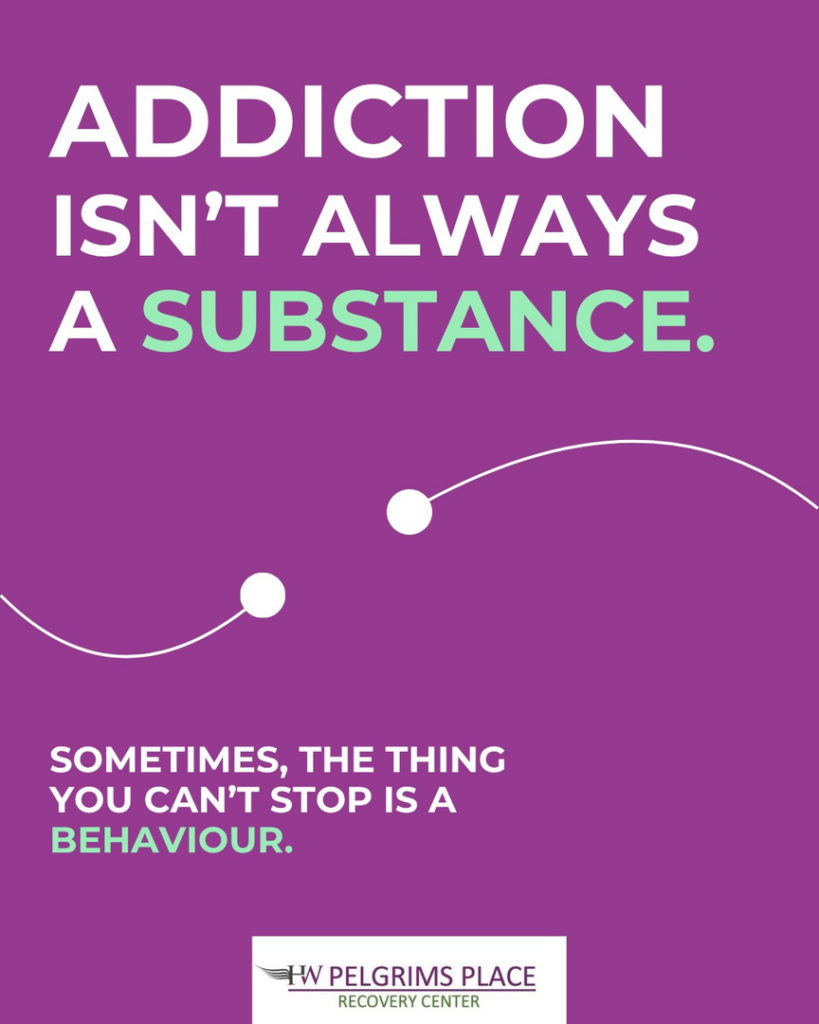
Cross-addiction is a challenge because stopping one substance does not remove the addictive pattern. A person may replace substance use with gambling, pornography, shopping, food, exercise, work or social media when these behaviours provide escape or relief. Addiction is not only about substances; it is also rooted in behaviours, triggers, cravings and emotional patterns.
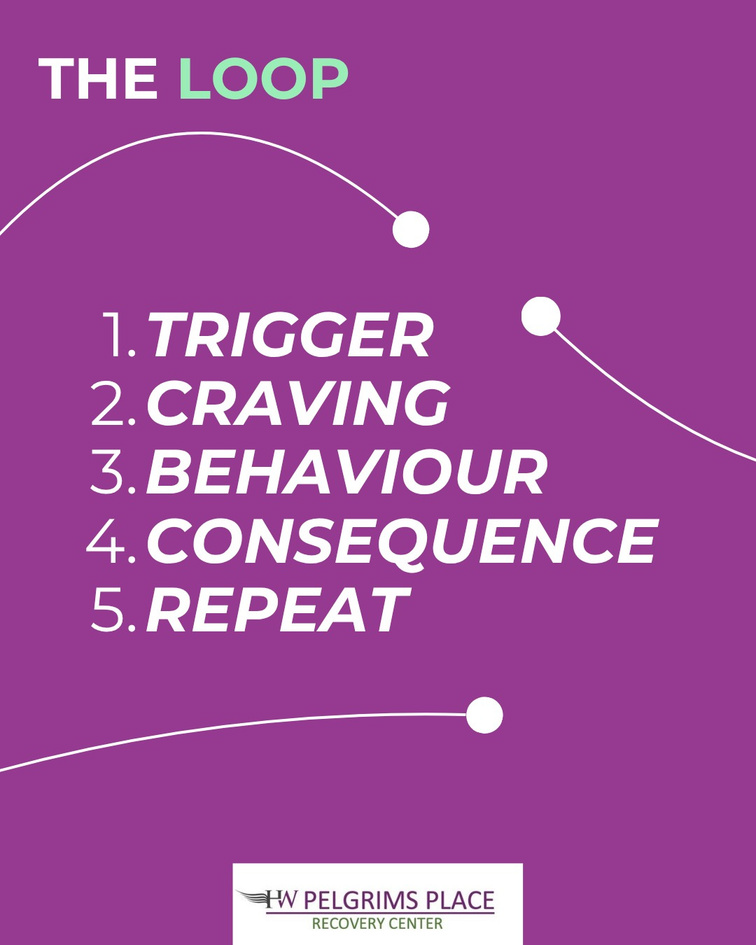
Mindfulness helps us recognise the cycle: trigger, craving, behaviour, consequence and repeat. Instead of asking, “Why can’t I stop?”, we can ask, “What am I trying to escape?” Healthy coping and self-awareness can interrupt the cycle. Recovery means addressing the root cause, rather than replacing one addiction with another.
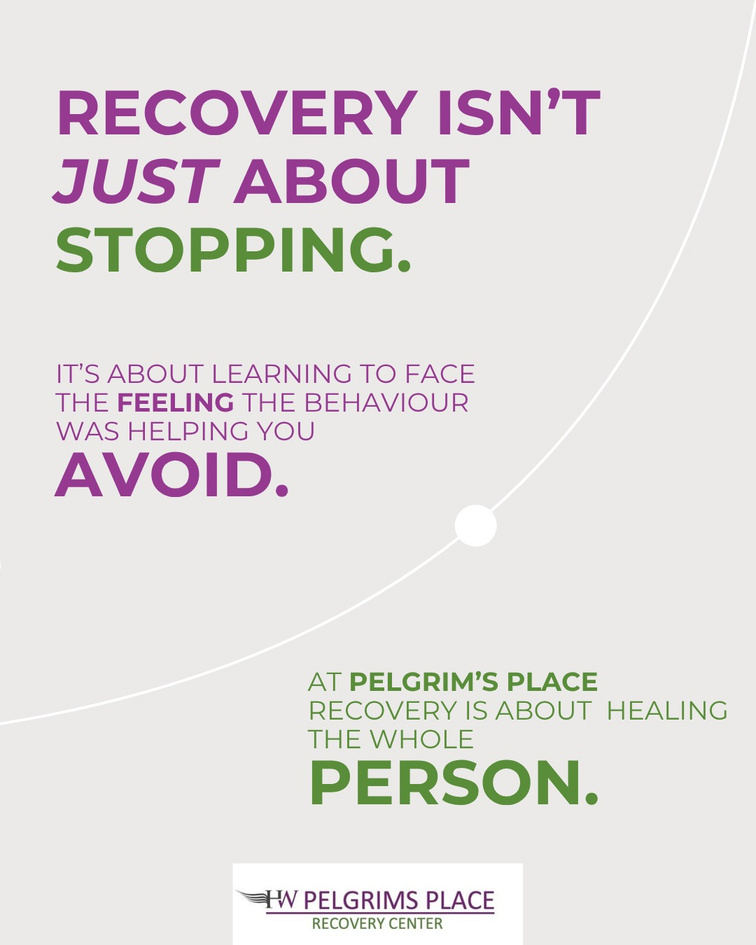
Recovery isn’t just about stopping. It’s about learning to face the feeling the behaviour was helping you avoid.
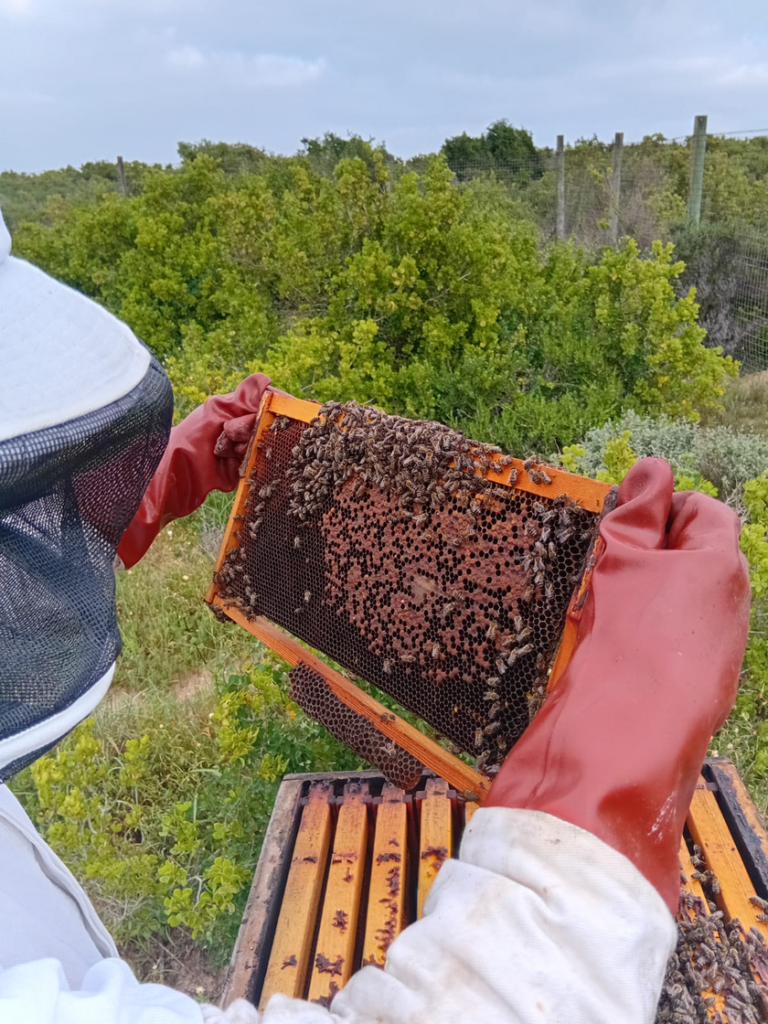
PREPARING TO HARVEST – BEEKEEPING
Spring is buzzing into life at Pelgrim’s Place, and our bees are getting ready for one of the busiest and sweetest times of the year: the spring honey harvest!
As the West Coast bursts into colour, the bees becomes a hive of activity. Regular inspections help us check for a healthy queen and brood pattern, ensure the colony has
enough space to grow, and look out for signs of pests, disease or food shortages.
The West Coast provides an incredible buffet for our bees. Fynbos, veggies, wildflowers, flowering succulents, aloes, herbs and garden flowers all contribute to the nectar and pollen that sustain a healthy colony.
You can support bees in your own garden too. Lavender, rosemary, sage, borage, aloes, gazanias and indigenous flowering plants are all excellent choices.
And this is why supporting your local beekeeper is so important. Local honey contains traces of pollen from the plants in your surrounding environment. Regularly consuming small amounts of local honey helps expose the body to local pollen over time, helping the immune system become more accustomed to it and reducing the effects of seasonal hay fever.
So, when you buy local honey, you’re supporting local beekeepers, healthy bee populations and your surrounding ecosystem—while enjoying a little taste of the landscape around you.
Support local. Plant flowers. Keep the West Coast buzzing.
MONTH SUMMARY
As we look back on another month at Pilgrim’s Place, we are reminded that recovery is about far more than simply stopping substance use—it is about growth, responsibility, community and discovering new possibilities.
This month, our residents have worked together to build staff quarters, developing practical skills while learning the value of teamwork and shared responsibility. We also had the opportunity to serve the Paternoster community by helping transform a neglected wall, demonstrating how recovery can extend beyond our centre and make a positive difference in the wider community.
We explored the challenges of cross-addiction and the importance of recognising unhealthy behaviours before they become replacements for substance use. On the farm, we have also assessed our existing beehives and ascertained their quality as we prepare for the new season. As spring approaches, this is an important time to ensure our colonies are healthy and strong, ready for increased activity, flowering and the opportunities that the season brings.
As we enter a new season, we look forward to new projects, new skills and new opportunities for growth, service and recovery.

TRANSFORMED BY THE RENEWING OF YOUR MIND. THEN YOU
WILL BE ABLE TO TEST AND APPROVE WHAT GOD’S WILL IS—HIS
GOOD, PLEASING AND PERFECT WILL.” ROMANS 12:2